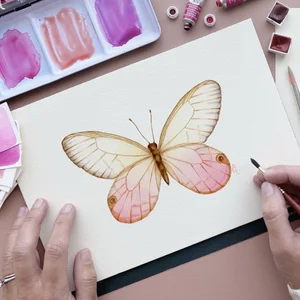
The Messenger Collection: Nature’s Messages in Watercolour
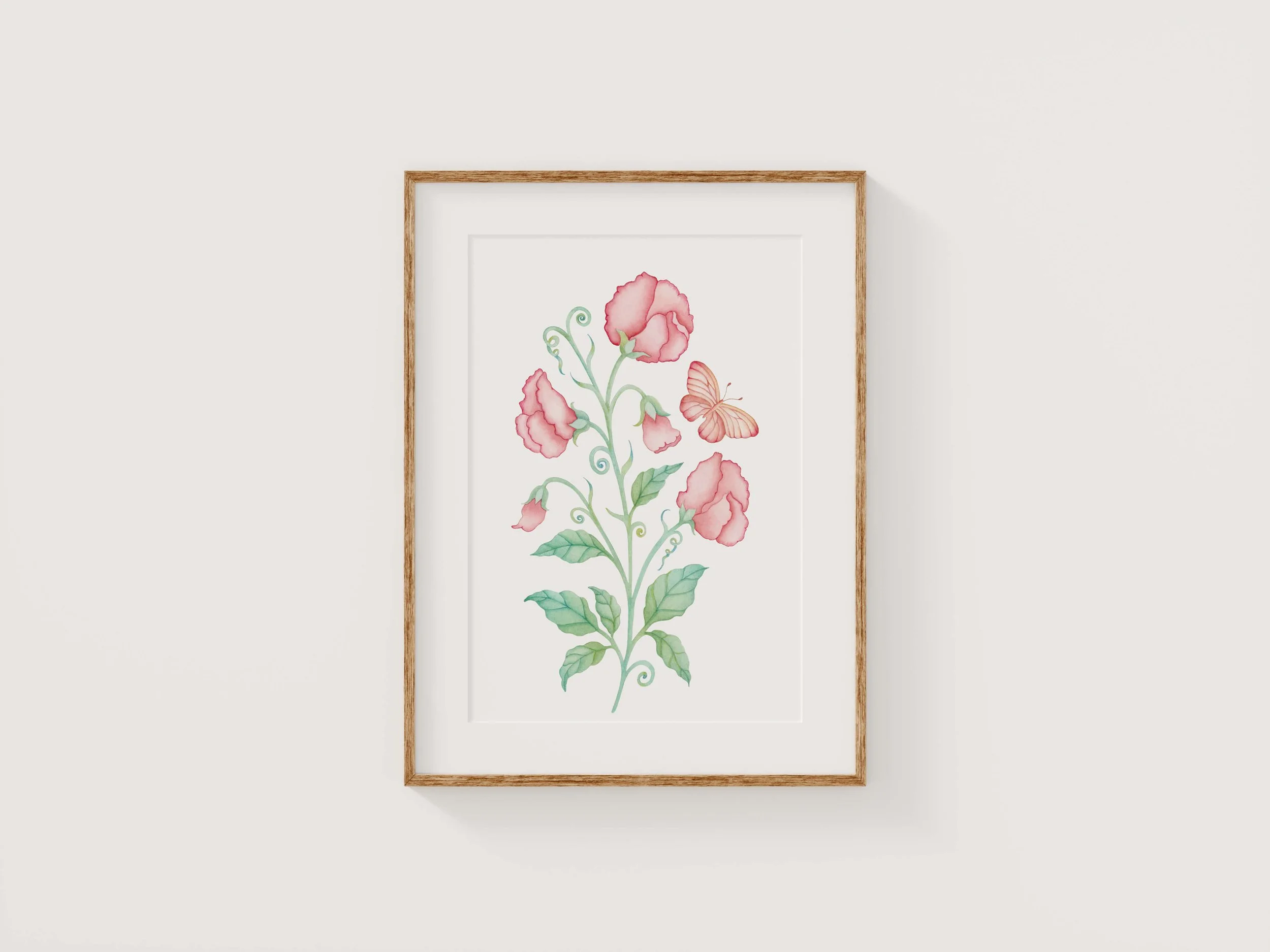
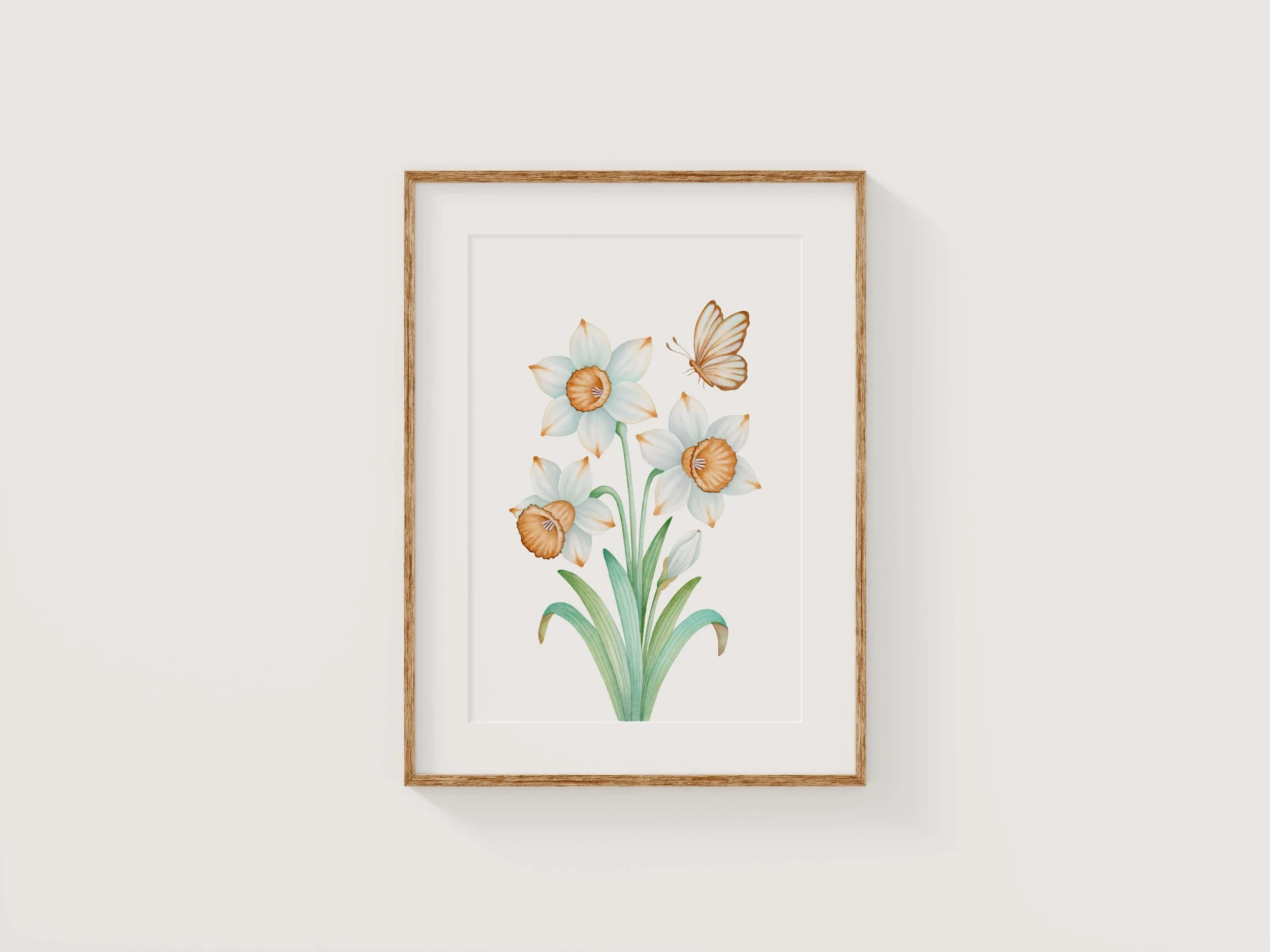
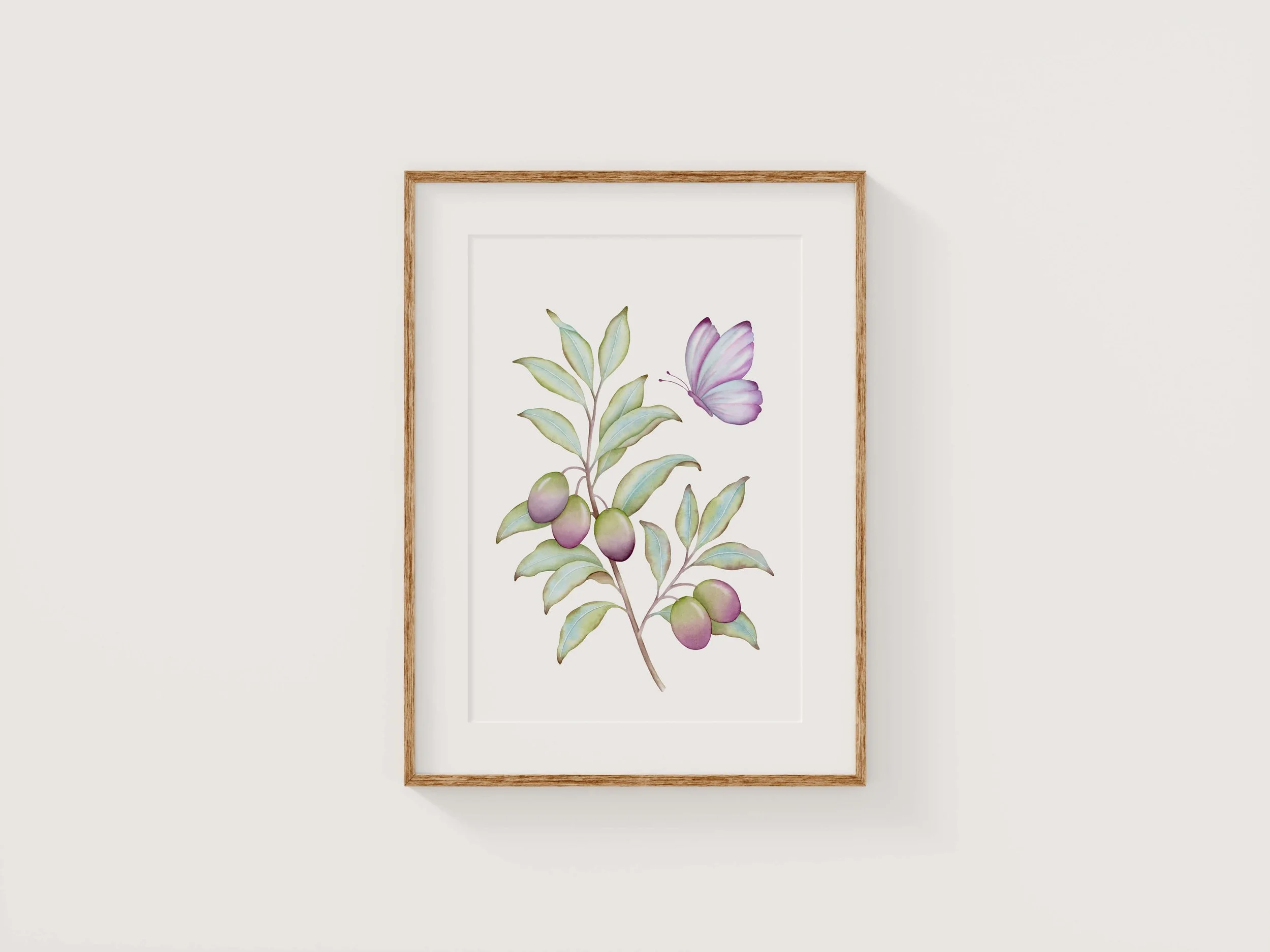
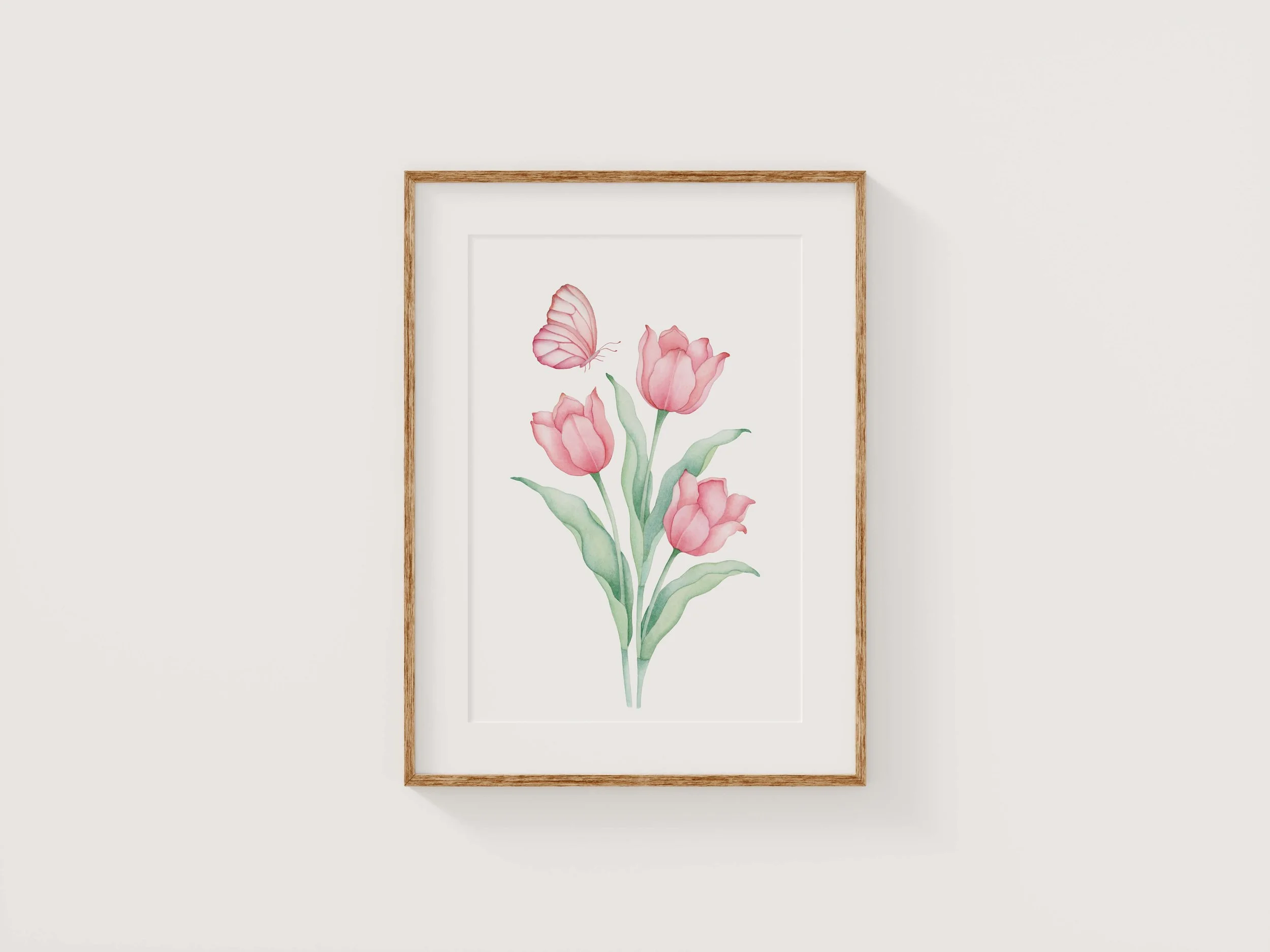
In The Messenger Collection, each butterfly acts as a small messenger, carrying a feeling from the heart of nature to the heart of the viewer. Every piece is paired with a botanical element carefully chosen for its symbolism.
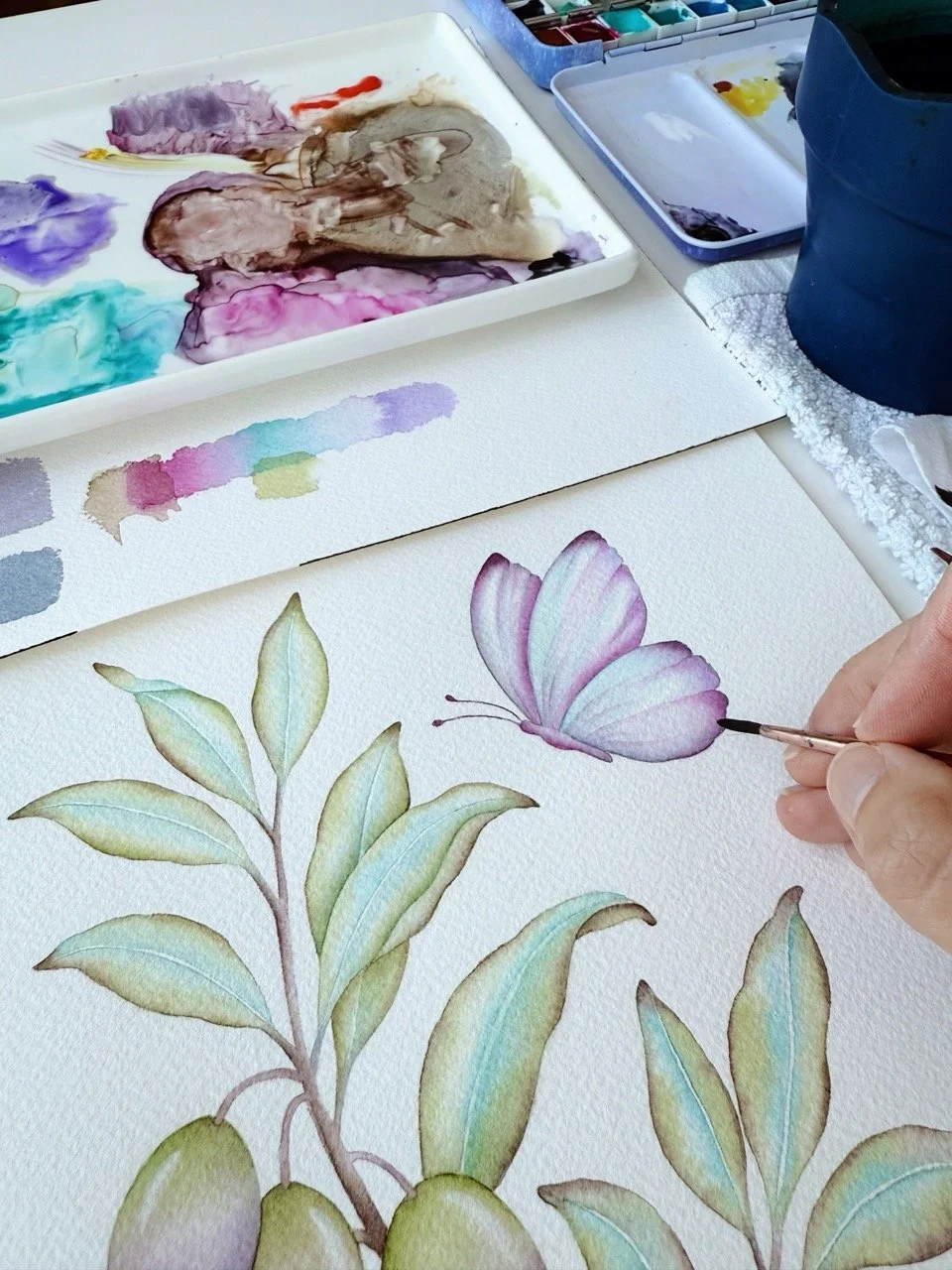
Peace — the Olive Branch
The olive tree has been one of humanity's oldest companions. It was first cultivated in the eastern Mediterranean more than six thousand years ago, in the lands now known as Syria, Lebanon, and Palestine, and from there it spread slowly across Greece, Italy, Spain, and North Africa. The Greeks believed the goddess Athena gifted the first olive tree to the city of Athens, and the city was named in her honour for choosing peace over war.
In the Book of Genesis, a dove returns to Noah's ark with an olive branch in its beak, the sign that the floodwaters had receded and that life on earth could begin again. From that moment, the olive branch became the universal symbol of peace, reconciliation, and new beginnings. The ancient Greeks crowned Olympic victors with olive wreaths, and Roman generals carried olive branches when they sought to end a war. Even today, the United Nations emblem features olive branches encircling the globe.
I chose the olive branch as the first piece of the collection because this message felt especially important in a world increasingly marked by conflict, uncertainty, and division. Peace is something we long for collectively, but also something we search for within ourselves.
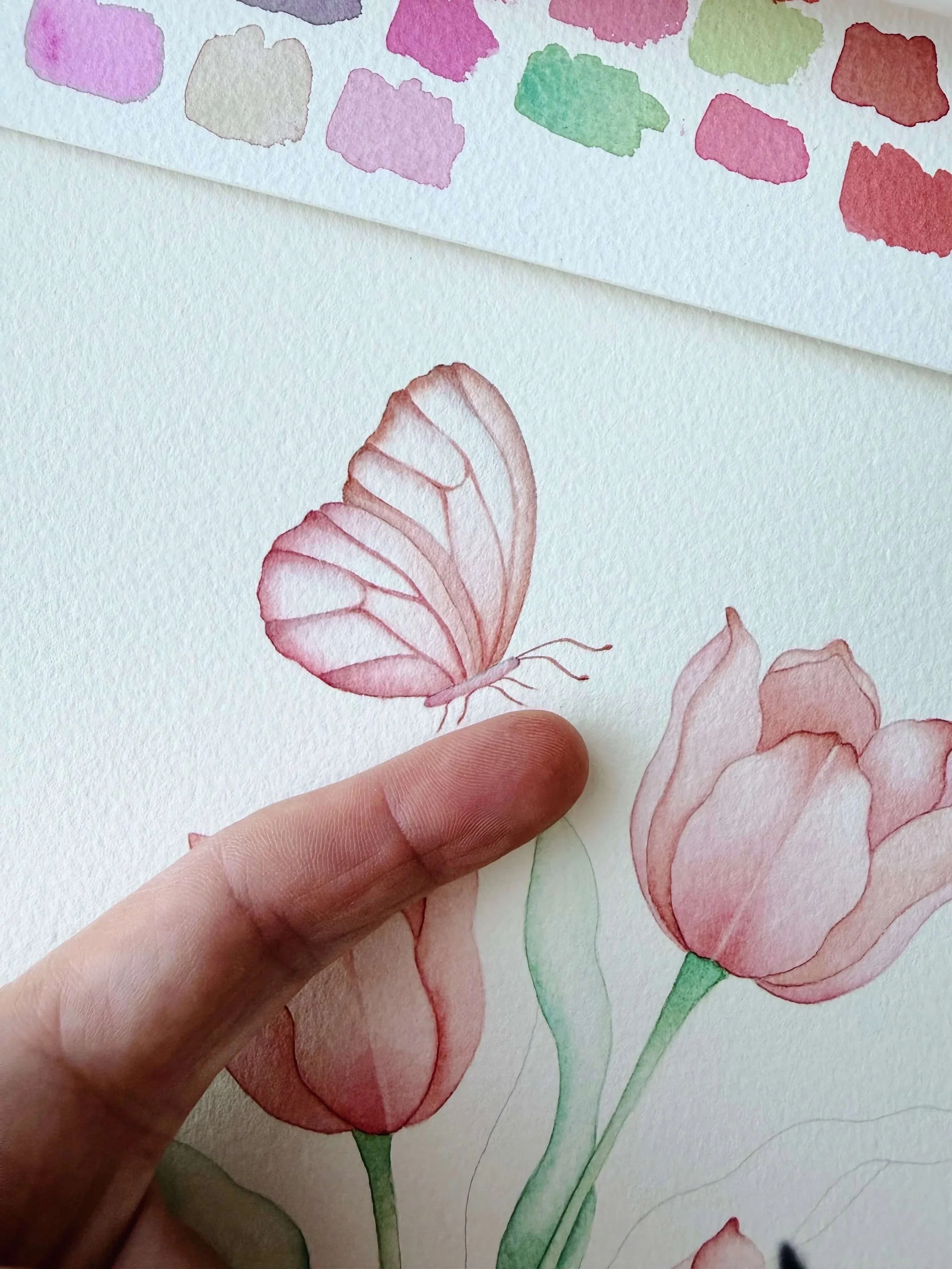
Love — Pink Tulips
Long before they reached the gardens of Europe, tulips grew wild across Central Asia and were first cultivated in 10th-century Persia. Their name is linked to a Persian word for turban, after the shape of the closed bloom. Ottoman sultans planted them in palace gardens as a reminder of paradise and eternal life, a flower meant to bring heaven a little closer to earth.
In 17th-century Holland, during the famous Tulip Mania, rare bulbs became extraordinarily valuable, with prices rising to astonishing heights.
In the Victorian language of flowers, they became a symbol of perfect love, and today they are also commonly given as an 11th wedding anniversary gift: tulips say I have chosen you, and I keep choosing you.
I was thinking about all of this as I was painting, but mostly I was thinking about the people I love. My family. My friends. The ones I’m lucky to have in my life. Their love is what keeps me going, and this painting is, in a way, a thank-you note to all of them
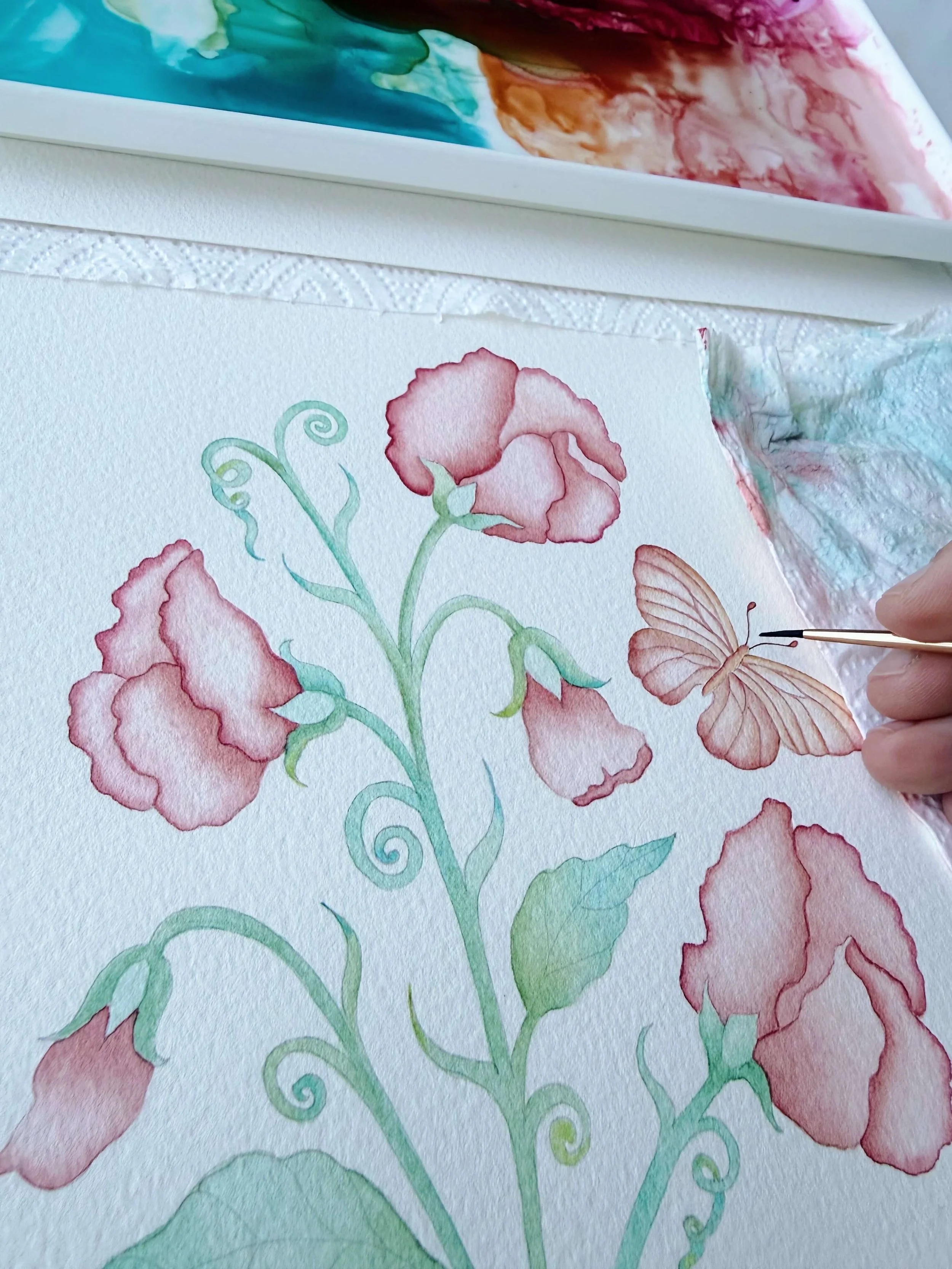
Friendship — Sweet Peas
Sweet peas come from southern Italy and Sicily, where they grow wild on the slopes of Mount Etna and along the Mediterranean coast. They were first sent to England in 1699 by a Sicilian monk named Francesco Cupani, who pressed seeds into a letter to a botanist friend in Middlesex. From that single envelope, sweet peas spread through every English garden, became a Victorian and Edwardian obsession, and eventually crowned themselves the favourite flower of King Edward VII.
In the Victorian language of flowers, sweet peas mean thank you for a lovely time. They were the flower you sent the morning after a gathering, the bouquet placed on a friend's doorstep without a card, the small posy pressed into a thank-you letter. Their delicate petals look almost translucent, and their fragrance is famously hard to capture in paint or perfume, fitting perhaps for friendships that are also hard to put into words.
I called this piece The Friendship Garden because that is what good friendships feel like to me: a garden tended slowly, season after season. Some flowers bloom quickly; sweet peas take their time. And like sweet peas, the friends who last are often the ones who simply keep showing up.
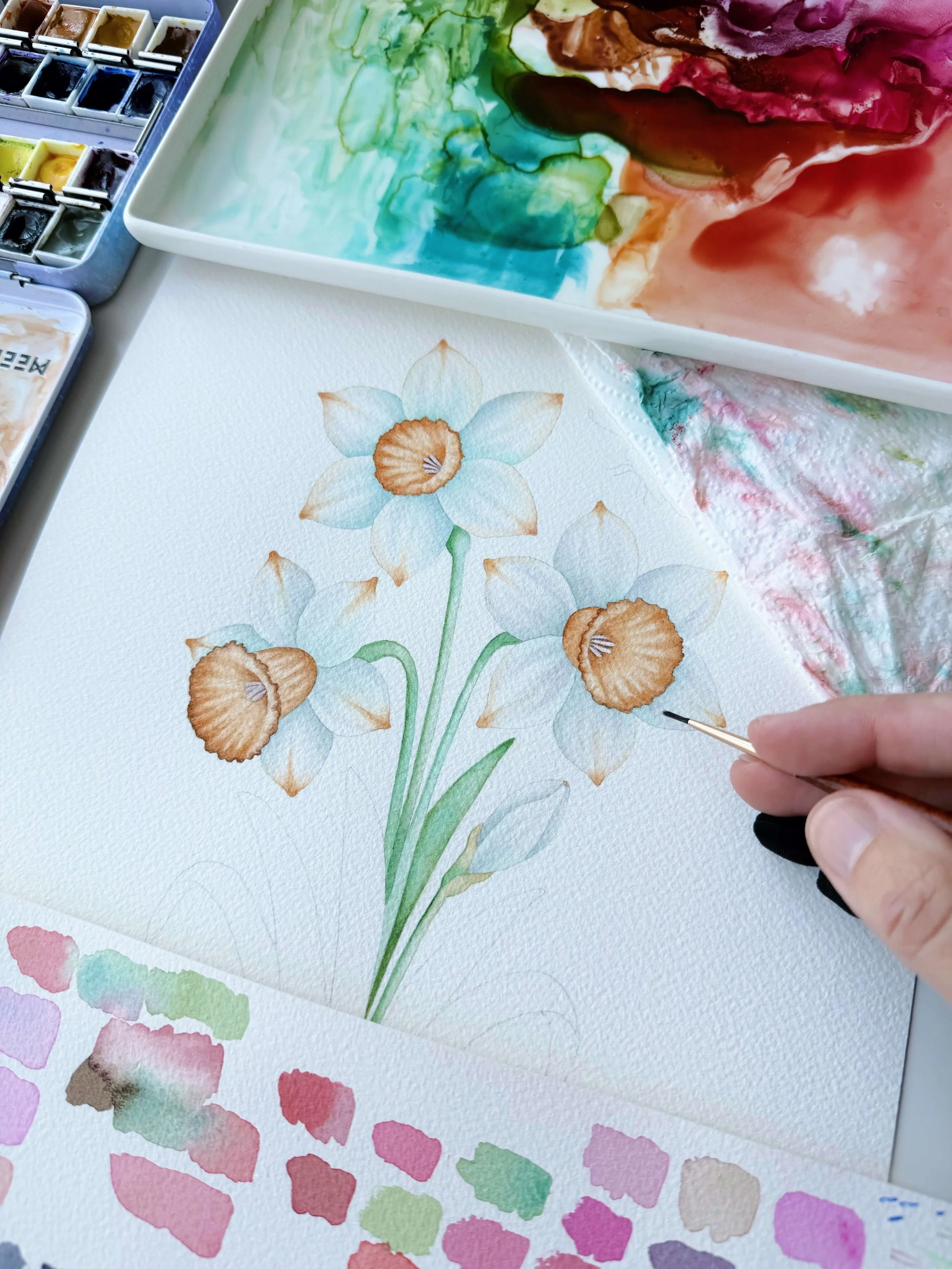
Hope — Daffodils
Daffodils are native to the meadows and woodlands of southern Europe and North Africa, and they have been carrying the meaning of hope for thousands of years. The ancient Greeks associated them with Persephone, the goddess who spent half the year in the underworld and returned each spring. The daffodil was said to be the first flower she touched when she stepped back into the light. In Wales, where the daffodil is the national flower, tradition holds that the first person to spot a daffodil in bloom each year will have a year of good fortune.
Daffodils are amongst the very first flowers to appear after winter, pushing through frost, snow, and frozen soil to bloom while the rest of the garden is still asleep. Wordsworth's famous poem I Wandered Lonely as a Cloud, written in 1804 after walking past a host of golden daffodils on the shore of Ullswater, turned them forever into a symbol of unexpected joy and the lifting of a heavy heart.
I painted this piece, Where Hope Blooms, as a reminder that light and hope return even after the darkest seasons.
Together, these paintings form a visual language of human emotion, with each butterfly carrying its own message and meaning. My hope is that viewers connect with at least one piece, and perhaps see a part of their own story reflected in it.
This collection has been featured in Issue 51 of Visual Art Journal. You can read the full interview here for the deeper story behind each painting and my studio practice.